Untreated Pressure Ulcer
Dorothy developed a severe pressure ulcer after staff failed to reposition her regularly. The wound became infected and required extensive treatment.
 844-USE-MAMA FREE CASE REVIEW
A severe bedsore. An infection that turned into sepsis. Falls that happened more than once.
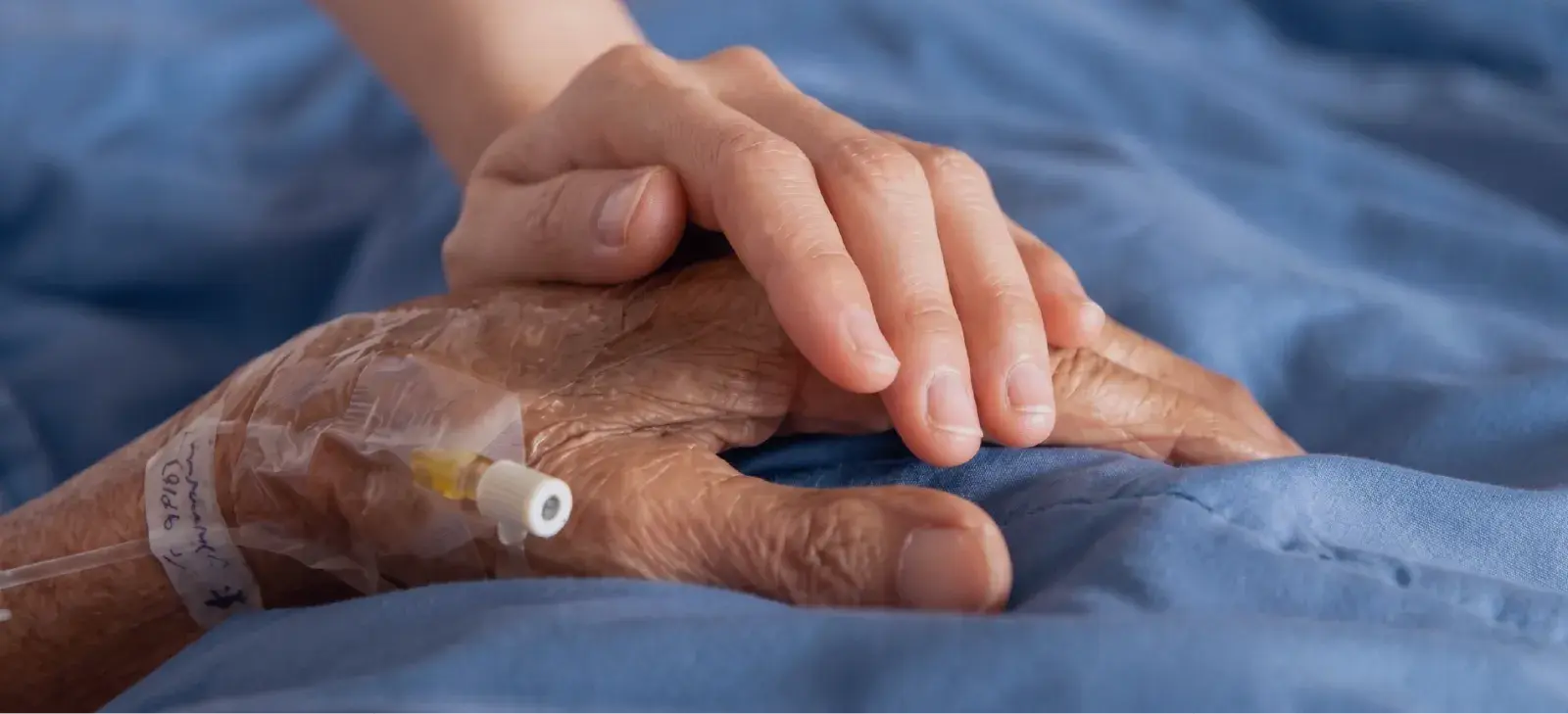
Painful wounds that develop when a resident is left in one position too long without being checked or repositioned.
Broken bones or head injuries that happen when a resident isn’t properly supervised or protected from known fall risks.
Infections, often from a wound, catheter, or UTI, that turn serious when the warning signs are missed or ignored.
The wrong medication, the wrong dose, or a missed dose that causes real harm to a resident’s health.
Significant weight loss or dehydration that occurs when a resident isn’t given enough food, fluids, or help eating and drinking.
The heartbreaking loss of a parent or loved one that never should have happened. We are so sorry.
The facility was understaffed. Too few caregivers for too many residents means care gets rushed, delayed, or skipped.
Warning signs were ignored. Changes in behavior, appearance, or condition that should have prompted a closer look didn’t.
A resident was handled roughly. A rushed transfer or careless assist caused an injury that should never have happened.
Staff weren’t given the training or oversight they needed. When caregivers aren’t properly trained or supervised, mistakes that seem small can turn serious fast.
Care plans weren’t followed. Every resident has a plan built around their needs, and skipping steps in that plan is often where things go wrong.
A known risk wasn’t watched closely enough. A fragile health condition or a history of prior incidents demanded extra attention and didn’t get it.

They had a feeling something went wrong. If any of this sounds familiar, it’s worth a conversation.
Dorothy developed a severe pressure ulcer after staff failed to reposition her regularly. The wound became infected and required extensive treatment.
Harold was a known fall risk, but staff never put fall prevention measures in place. He fractured his hip in a fall that required surgery and an extended hospital stay.
Ruth was hospitalized after going several days without a critical heart medication. Staff had no explanation for the gap in her medication log.
*Names, locations, and certain identifying details have been changed to protect privacy.
We pair advanced technology with skilled legal representation, built around one question: what would we want if this were our own parent?

We Read Every Page, Every Time

Reach Out Any Time, Day or Night

We Don’t Go In Outnumbered
You don’t have to know. That’s our job. If your loved one’s care didn’t go the way it should have, tell us what happened and we’ll look closely. There’s no pressure to move forward.
That’s very common. Signs of neglect aren’t always obvious right away, especially when a resident can’t communicate clearly. Noticing it later doesn’t mean it’s too late to ask what happened.
Whatever you already have is enough to start. Your memory of what happened matters just as much as paperwork. You can come with nothing but your story.
They stay private and secure. Any records you share are used only to understand what happened in your case, and never shared with anyone else without your permission.
Families hear that a lot, and it isn’t always true. Bedsores, repeated falls, and serious infections are often preventable with the right care. If you were told something was normal and it still doesn’t sit right with you, that’s worth a closer look.
Yes. There are time limits on nursing home neglect cases, and they can be shorter than people expect. The sooner you reach out, the more we can do. A quick conversation now costs you nothing and protects your options.
Most families have never done this before and don’t know what to expect. Here’s exactly what happens when you reach out.

Tell us what happened in your own words. No judgment, no rush, just someone who understands.
We’ll walk you through requesting your loved one’s care records, then Mama and our attorneys get to work finding what happened.
You’ll hear, in plain language, what your options are, and there’s never any pressure to move forward.
If we find you have a case, we connect you with the right team for your case, and you’ll have support the whole way through.
No cost to review. No obligation to move forward. Just answers from a team that treats you like family.