Delayed Intervention
Noah was delivered at 40 weeks after fetal distress and a declining heart rate were not addressed in time. The delay caused oxygen deprivation and resulted in a hypoxic brain injury.
 844-USE-MAMA FREE CASE REVIEW
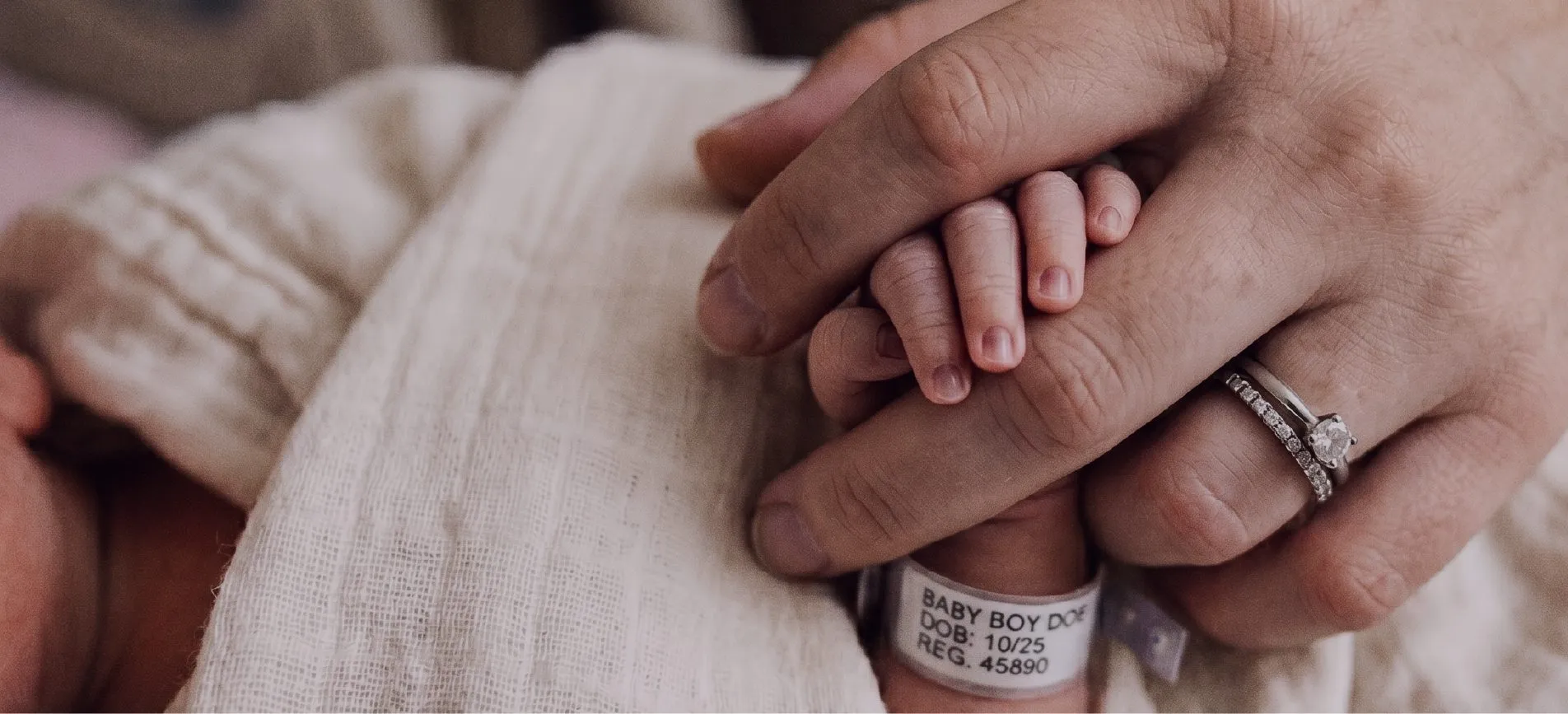
If your child was diagnosed with cerebral palsy, HIE, or another birth injury, and something about the delivery doesn’t sit right, that feeling matters. We look closely at what happened and tell you exactly what legal options your family may have to get answers and protect your family’s future.
When something goes wrong during pregnancy, labor, or delivery, it can leave a baby or mother living with lasting harm. These are some of the diagnoses we see most often — if one of them is part of your family’s story, it’s worth a conversation.
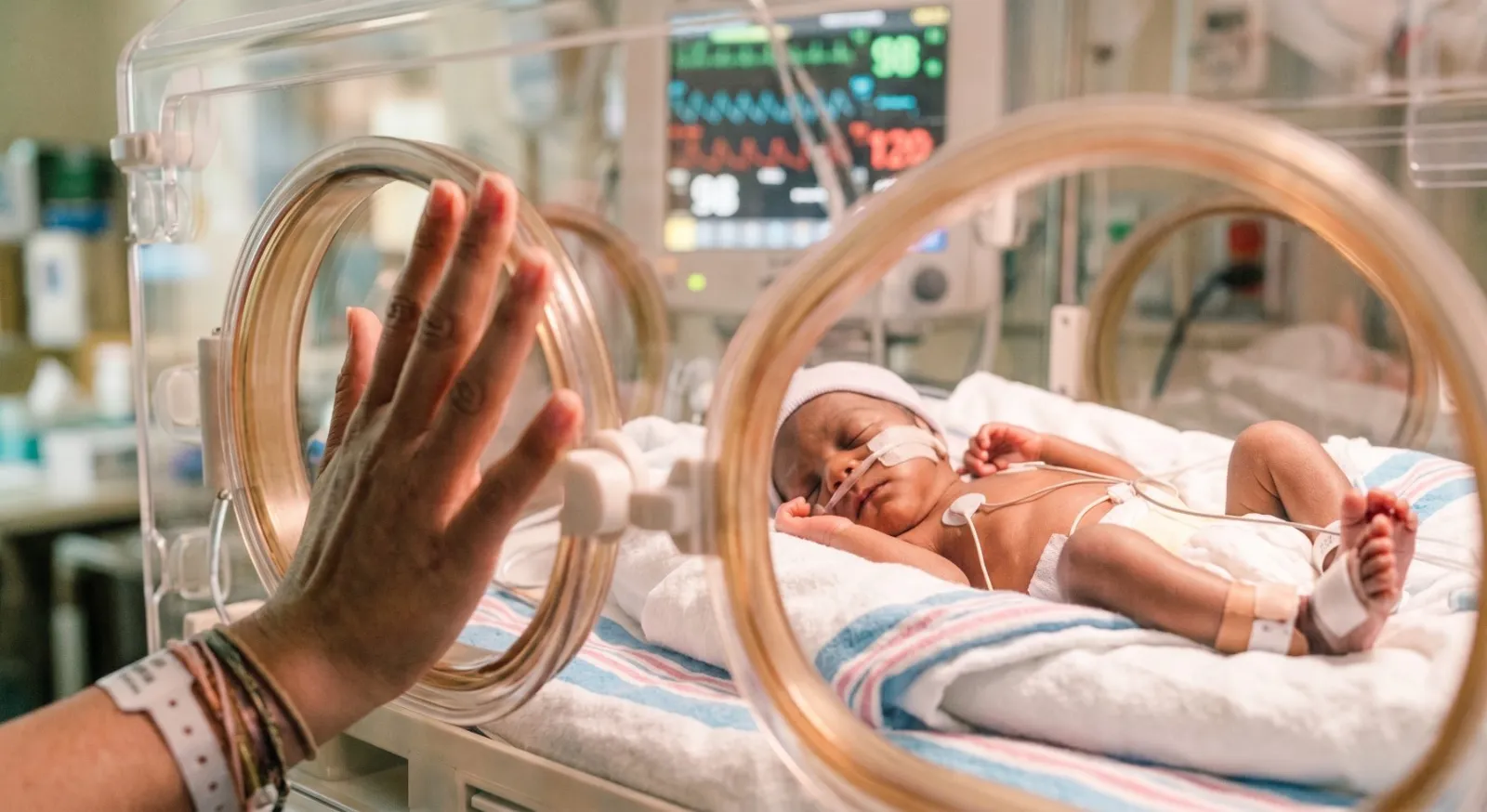
A movement or muscle-tone condition often linked to oxygen loss or trauma around the time of birth.
Brain damage that can occur when a baby is deprived of oxygen during labor or delivery.
Weakness or loss of movement in an arm after the shoulder is injured during a difficult delivery.
Broken bones — often a collarbone or arm — that can happen when a delivery isn’t handled with enough care.
Recurring seizures that can develop after a brain injury or oxygen loss around the time of birth.
The heartbreaking loss of a baby or mother that never should have happened. We are so sorry.
Most births go beautifully. But sometimes the people you trusted make a mistake they shouldn’t have — and a moment that should have been joyful changes everything. These are some of the ways it happens:
The fetal heart monitor showed distress. The baby’s heart rate dropped or spiked and no one acted in time.
The C-section came too late. When minutes mattered, the decision was delayed.
Too much force was used. Forceps, vacuum, or delivery maneuvers caused an avoidable injury.
Medication was mishandled. The wrong drug or the wrong dose during pregnancy or labor.
An infection went untreated. Signs of infection in mother or baby were missed or dismissed.
A high-risk pregnancy wasn’t watched closely enough. Preeclampsia, gestational diabetes, a breech baby. Known risks that demanded extra attention and didn’t get it.

They had a feeling something went wrong. If any of this sounds familiar, it’s worth a conversation.
Noah was delivered at 40 weeks after fetal distress and a declining heart rate were not addressed in time. The delay caused oxygen deprivation and resulted in a hypoxic brain injury.
Lila was delivered at full term after abnormal fetal heart rate changes were not treated as an obstetric emergency. The delay resulted in oxygen deprivation and permanent neurologic injury.
Micah was born after signs of preterm labor were not properly evaluated or treated. He was delivered prematurely and required NICU care for complications related to the early birth.
*Names, locations, and certain identifying details have been changed to protect privacy.
We pair advanced technology with skilled legal representation, built around one question: what would we want if this were our own child?

We Read Every Page, Every Time

Reach Out Any Time, Day or Night

We Don’t Go In Outnumbered
You don’t have to know — that’s our job. If your delivery didn’t go the way it should have, tell us what happened and we’ll look closely. There’s no pressure to move forward.
That’s very common. Some birth injuries aren’t recognized until months or even years later, when milestones start to slip. A later diagnosis doesn’t mean it’s too late to ask what happened.
Whatever you already have is enough to start. Your memory of what happened matters just as much as paperwork — you can come with nothing but your story.
They stay private and secure. Any records you share are used only to understand what happened in your case, and never shared with anyone else without your permission.
Your goal isn’t to punish anyone — it’s to get your family the support it needs. These claims are handled through the hospital’s insurance, and asking questions doesn’t make you ungrateful for the people who cared for you.
Yes — there are time limits on birth injury cases, and they can be shorter than people expect. The sooner you reach out, the more we can do. A quick conversation now costs you nothing and protects your options.
Most families have never done this before and don’t know what to expect. Here’s exactly what happens when you reach out.
Tell us what happened in your own words. No judgment, no rush, just someone who understands.
We’ll walk you through requesting your baby’s records, then Mama and our attorneys get to work finding what happened.
You’ll hear, in plain language, what your options are — and there’s never any pressure to move forward.
If we find you have a case, we connect you with the right team for your case, and you’ll have support the whole way through.

No cost to review. No obligation to move forward. Just answers from a team that treats you like family.