Missed Diagnosis
David’s sudden dizziness, slurred speech, and facial drooping were attributed to a migraine in the emergency room. A stroke was not identified until the window for clot-dissolving treatment had closed, leaving lasting damage.
 844-USE-MAMA FREE CASE REVIEW
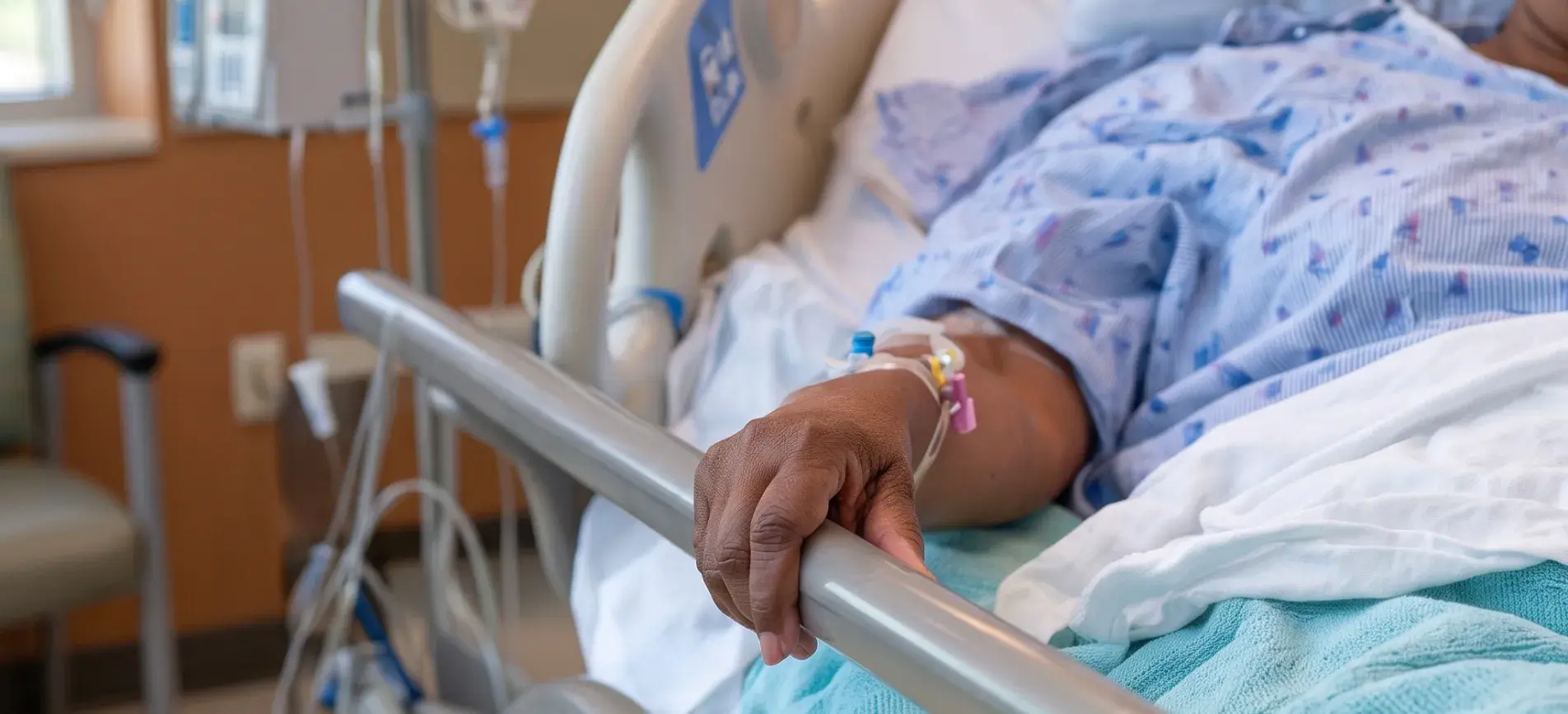
A missed diagnosis. A surgical error that changed everything. Medication given in the wrong dose.
Medical malpractice can happen in a hospital room, an operating room, or a routine visit that should have caught something sooner. These are some of the cases we see most often. If one of them sounds like your story, it’s worth a conversation.
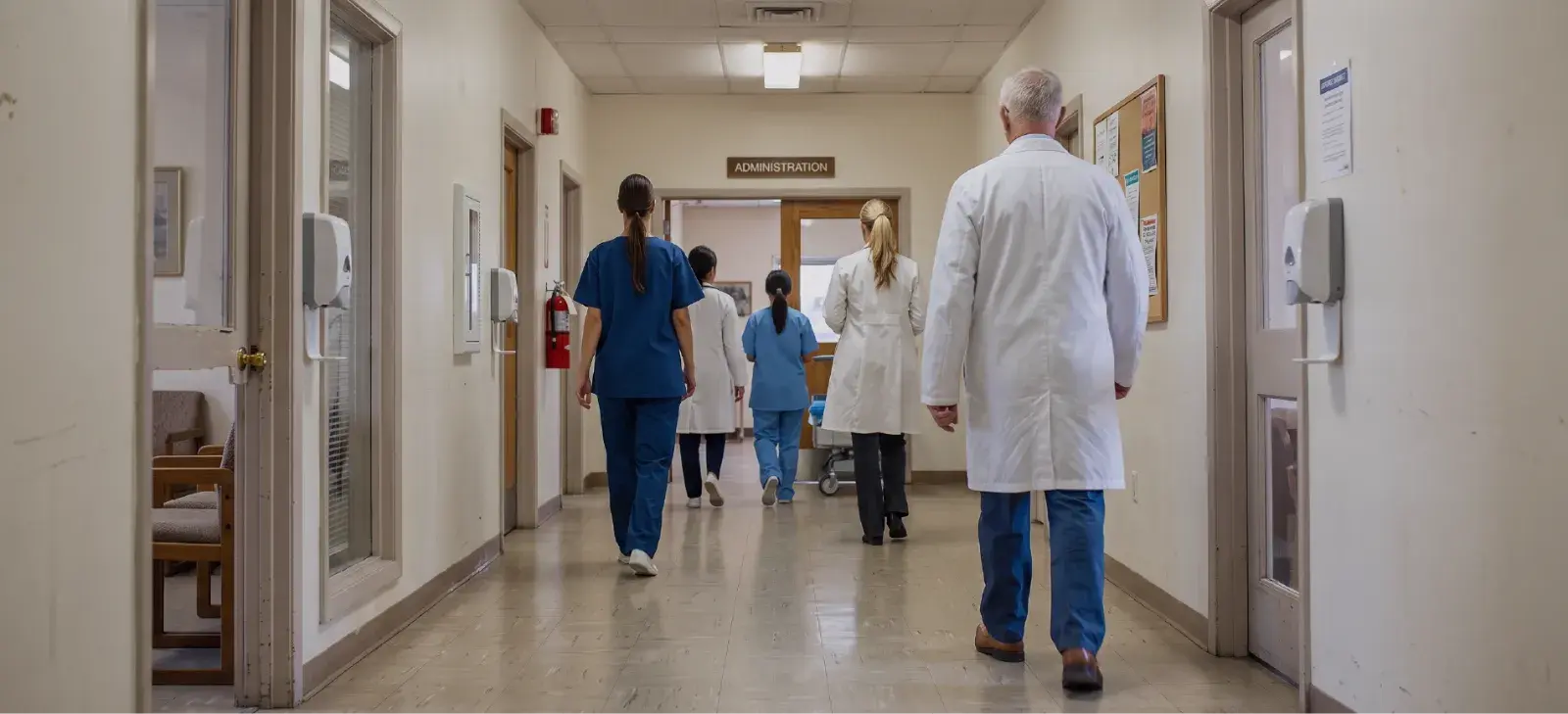
A serious condition missed, dismissed, or caught too late for treatment to make a difference.
Wrong-site surgery, instruments left behind, or a procedure performed without the care it required.
The wrong drug, the wrong dose, or a dangerous combination given without the checks that should have caught it.
Improper dosing or monitoring during anesthesia that led to lasting harm.
Painful wounds that develop when a patient isn’t repositioned or monitored properly.
A patient was sent home before their condition was stable, and the warning signs were missed.
They had a feeling something went wrong. If any of this sounds familiar, it’s worth a conversation.
David’s sudden dizziness, slurred speech, and facial drooping were attributed to a migraine in the emergency room. A stroke was not identified until the window for clot-dissolving treatment had closed, leaving lasting damage.
Renee went in for a routine procedure and woke up with a second surgery ahead of her. A surgical sponge had been left behind, and it took weeks of pain before anyone found it.
Walter was given a medication his chart clearly flagged as an allergy risk. The reaction that followed put him in the ICU for a condition he never should have had to survive.
*Names, locations, and certain identifying details have been changed to protect privacy.
We pair advanced technology with skilled legal representation, built around one question: what would we want if this happened to our own family?

We Read Every Page, Every Time

Reach Out Any Time, Day or Night

We Don’t Go In Outnumbered
You don’t have to know — that’s our job. If your care didn’t go the way it should have, tell us what happened and we’ll look closely. There’s no pressure to move forward.
That’s very common. Some medical errors aren’t recognized until symptoms worsen or a second doctor catches what the first one missed. A later realization doesn’t mean it’s too late to ask what happened.
Whatever you already have is enough to start. Your memory of what happened matters just as much as paperwork — you can come with nothing but your story.
They stay private and secure. Any records you share are used only to understand what happened in your case, and never shared with anyone else without your permission.
Your goal isn’t to punish anyone — it’s to get your family the support it needs. These claims are handled through the provider’s insurance, and asking questions doesn’t make you ungrateful for the people who cared for you.
Yes, there are time limits on medical malpractice cases, and they can be shorter than people expect. The sooner you reach out, the more we can do. A quick conversation now costs you nothing and protects your options.
Most families have never done this before and don’t know what to expect. Here’s exactly what happens when you reach out.

Tell us what happened in your own words. No judgment, no rush, just someone who understands.
We’ll walk you through requesting your medical records, then Mama and our attorneys get to work finding what happened.
You’ll hear, in plain language, what your options are, and there’s never any pressure to move forward.
If we find you have a case, we connect you with the right team for your case, and you’ll have support the whole way through.

No cost to review. No obligation to move forward. Just answers from a team that treats you like family.